
Gorilla permits
Low-season gorilla trekking in Uganda: April, May and November
In April, May and November the Uganda Wildlife Authority sells gorilla trekking permits at a lower rate: US$600 per person for foreign non-residents instead of US$800, and US$500 for foreign residents instead of US$700. The trek is the same, one hour with a gorilla family in Bwindi or Mgahinga. These are wetter months, a low-season permit cannot be rescheduled, and it depends on a permit being free for your date, so confirm availability and the rate with us before you make other arrangements.
Checked against official sources on . Sources
Normal and low-season permit rates
| Residency | Normal rate | Low season | Difference |
|---|---|---|---|
| Foreign non-resident | US$800 | US$600 | US$200 less |
| Foreign resident | US$700 | US$500 | US$200 less |
UWA's letter gives low-season rates for these two categories only. It does not give one for visitors from the rest of Africa or for East African citizens, and it does not cover the gorilla habituation experience.
The conditions
- It depends on availability. Each gorilla family takes eight visitors a day in every month, so a low-season date still has to have a permit free.
- The date is fixed. UWA's letter states that low-season permits cannot be rescheduled, so settle your travel dates before the permit is booked.
- It is paid in full when booked. Since 1 March 2026 UWA secures a permit only on full payment.
- It is booked through a licensed tour operator. UWA sells permits for foreign non-residents only through operators.
- UWA sets the rate. It introduced these rates in February 2026 and can change or withdraw them.
What April, May and November are like
These months fall in Uganda's two rainy seasons. In the gorilla forests April and November are among the wettest months of the year, and May is the tail of the long rains. Days in Bwindi are around 22°C and nights around 12°C, colder with altitude.
Rain changes the walk, not the hour with the gorillas. Trails are muddier and steeper sections are slower, so a trek can take longer. Waterproof boots, gloves and a rain jacket matter more, and a porter is worth having.
They are also the quieter months, which is why the rate exists: UWA's letter says it is intended to stimulate travel during the low season. UWA's own guide says the parks can be visited at any time of year.
Rainfall is described as a pattern, not as monthly figures: published totals for Bwindi vary widely with altitude and source.
Who it suits
- Travellers with flexible dates. Moving a trek into April, May and November takes US$200 per person off the permit for a foreign non-resident.
- Travellers watching the overall budget. Many lodges also set lower rates in the wetter months, so the difference can go beyond the permit.
- Travellers who would rather have a quieter forest than dry boots.
- It suits you less if your dates might change, since the permit cannot be moved, or if firm, dry trails matter most to you. In that case look at June to August or December to February.
Combining it with the rest of Uganda
The same UWA letter sets low-season chimpanzee tracking permits at US$200 for foreign non-residents and US$150 for foreign residents in the same three months, against a normal Kibale rate of US$250 and US$200. A route with both primates gets both lower rates.
From there the trip is built the usual way: game drives and a boat trip in Queen Elizabeth or Murchison Falls, and as many days as your route needs.
Gorillas, chimpanzees or both · Safaris with a gorilla trek · What a Uganda safari costs
How to book a low-season permit
Send us the dates you are considering. We check with UWA whether a permit is free for those dates and confirm the rate that applies, and only then do you book flights. Once you go ahead we secure the permit, which is paid in full at that point, and plan the rest of the safari around it.
Common questions
- How much is a low-season gorilla permit in Uganda?
- US$600 per person for foreign non-residents and US$500 for foreign residents, in April, May and November. The normal rates are US$800 and US$700.
- Which months are low season for gorilla trekking in Uganda?
- April, May and November. Those are the months the Uganda Wildlife Authority named when it introduced the low-season permit rates in February 2026.
- Can a low-season gorilla permit be rescheduled?
- No. UWA's letter states that low-season permits cannot be rescheduled.
- Is gorilla trekking in April, May or November worth it?
- Yes, if you are prepared for rain. The gorillas are there all year, the hour with them is the same, and the forest is at its greenest. Trails are muddier and a trek can take longer than in the drier months.
- Does the low-season rate apply to the gorilla habituation experience?
- UWA's letter lists low-season rates for gorilla tracking and chimpanzee tracking only. The habituation experience is not in it, and its tariff rate is US$1,500 for foreign non-residents.
- Will the low-season rates apply in 2027?
- UWA's letter introduced them with immediate effect and gives no end date. The tariff it sets from 1 January 2027 keeps the normal gorilla permit at US$800 and does not mention the low-season rates either way, so we confirm the rate for your dates before you book.
- Does Rwanda have a low-season gorilla permit?
- Rwanda's is different: the Rwanda Development Board gives 30% off its US$1,500 permit between November and May to visitors who also stay in Akagera or Nyungwe National Park.
Safaris to start from
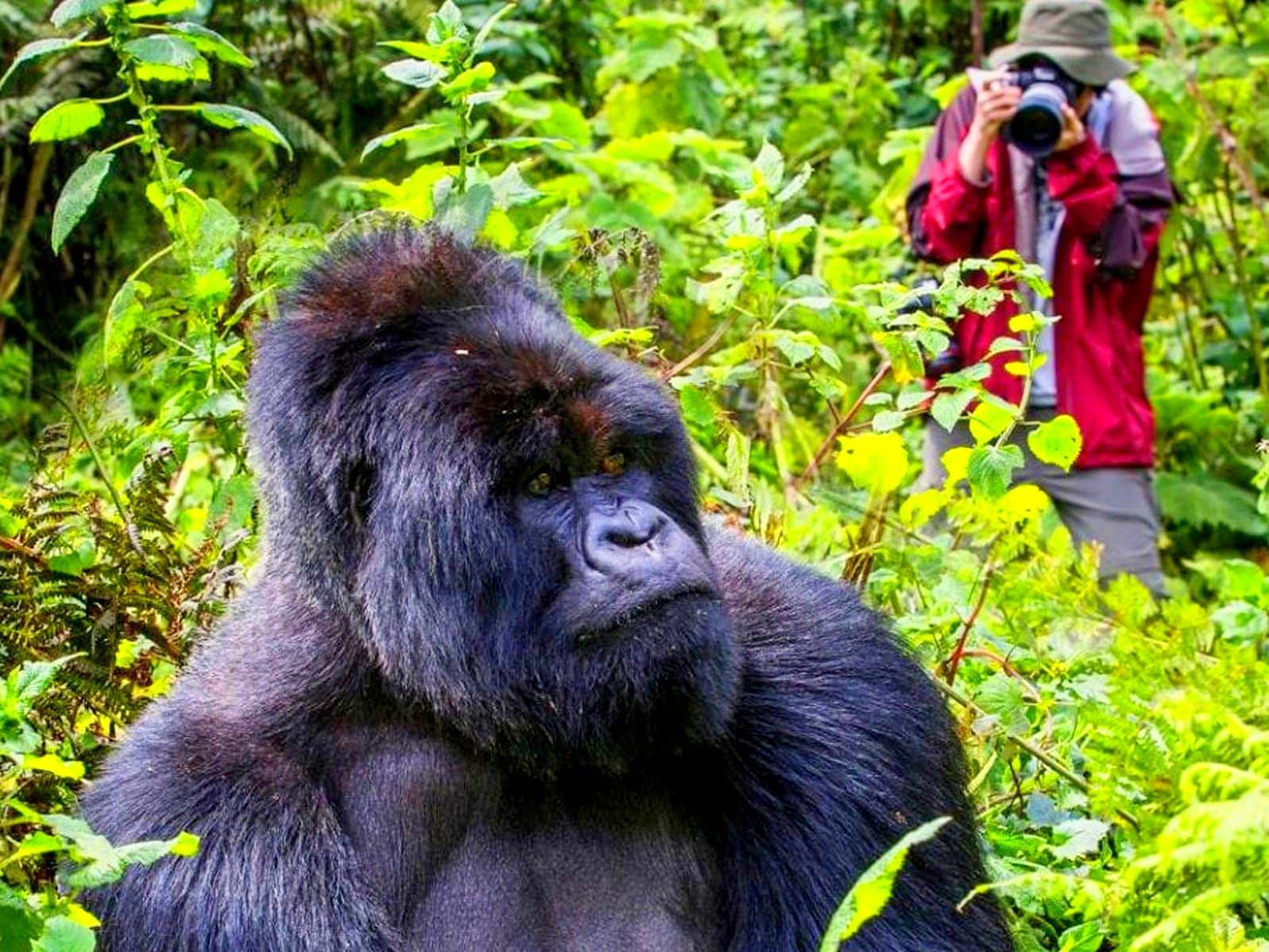
6 Days Bwindi Gorilla Trekking
A six-day safari through southwestern Uganda and into Rwanda, combining mountain gorilla tracking in Bwindi with a game drive and Kazinga Channel boat safari in Queen Elizabeth. It ends with a visit to Kigali's Genocide Memorial.
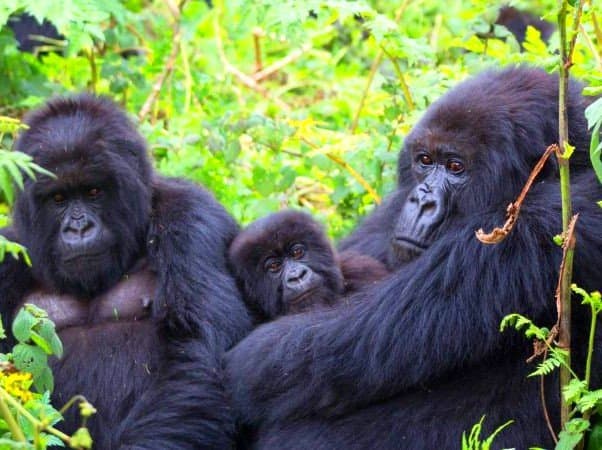
6-Day Uganda Wildlife & Gorilla Safari
A six-day Uganda safari across Murchison Falls, Queen Elizabeth and Bwindi national parks, with game drives, the top of the falls, a Kazinga Channel boat cruise and mountain gorilla trekking.
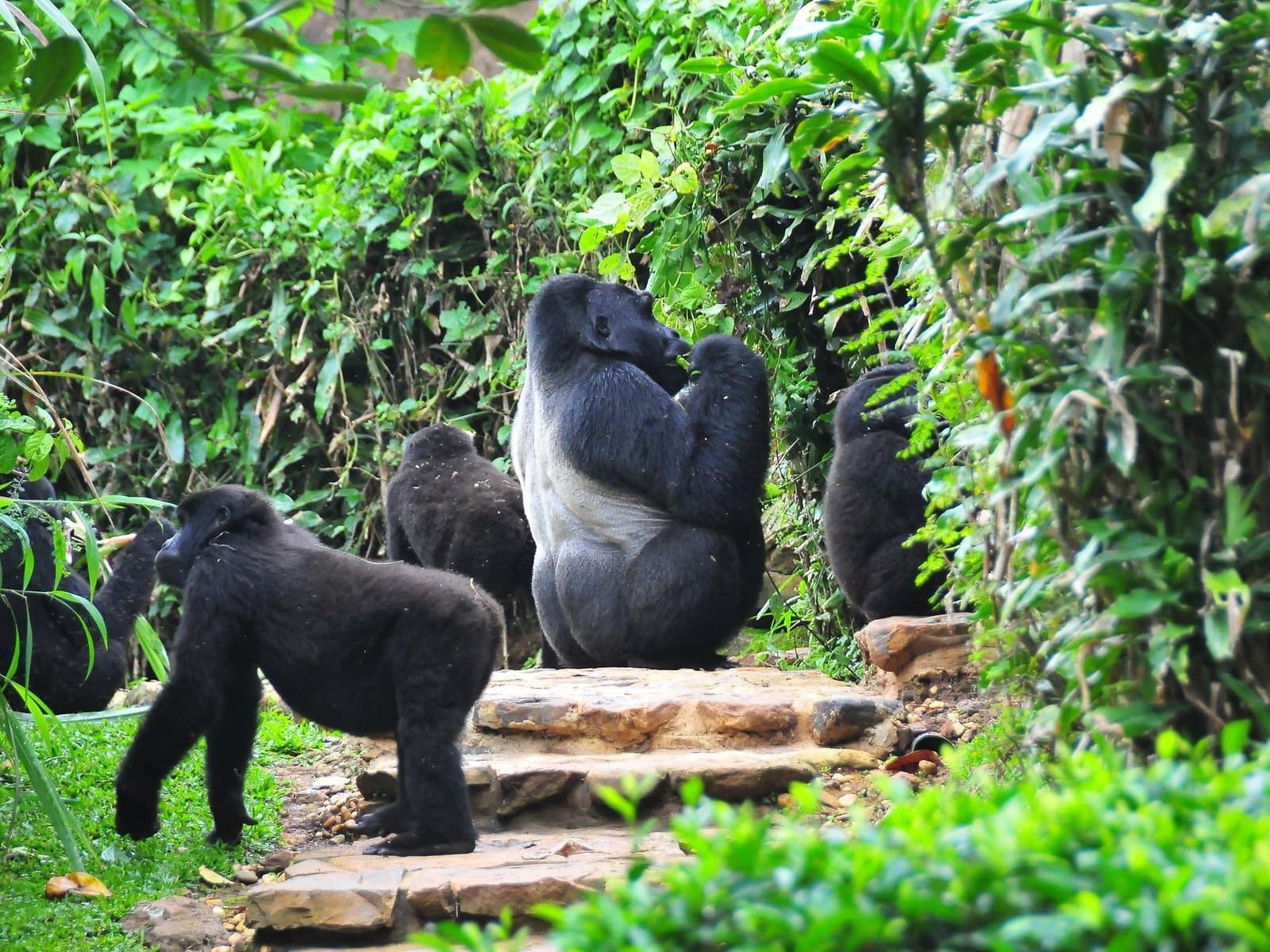
7-Day Uganda Amazing Safari
A seven-day Uganda safari through Kibale, Queen Elizabeth and Bwindi national parks, with chimpanzee tracking, game drives, a Kazinga Channel boat cruise and mountain gorilla trekking.
Sources
Every fact on this page was checked on against these sources. Gorilla permit prices are set by the Uganda Wildlife Authority and change when it publishes a new tariff or a promotional rate; we update this page when it does and confirm the rate with every quote. Temperatures and the seasonal pattern follow the safari trade's climate references.
- Uganda Wildlife Authority — Tariff changes 2026–2027, letter of 26 February 2026 (PDF)
- Uganda Wildlife Authority — Conservation Tariff, July 2024 to June 2026 (PDF)
- Uganda Wildlife Authority — Bwindi visitor brochure (PDF)
- Uganda Wildlife Authority — Mgahinga visitor brochure (PDF)
- Rwanda Development Board — Low-season discount
- Bwindi Lodge — seasons (a lodge's own published high and low seasons)
Planning questions
Thinking about April, May or November?
Send us your dates and we will check low-season permit availability and confirm the rate before you commit to anything.